
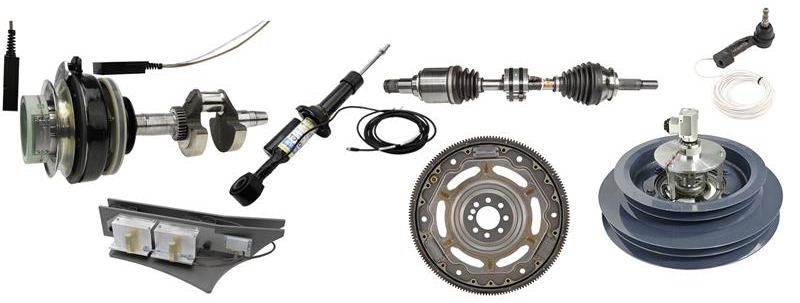
Michigan Scientific has extensive experience in designing and manufacturing custom strain gauge-based transducers from a wide variety of stock components. Many of these transducers are used for research and design to measure vehicle suspension forces, powertrain torques, steering component forces, engine and motor loads, and braking torques in lab and field environments. These force and torque transducers can be used to measure the loads that occur in normal usage, as well as for benchmarking current designs, new design validation, and FEA/CAE validation. Michigan Scientific custom transducers help clients across industries obtain accurate data on the forces experienced by a part while maintaining its strength and physical integrity.
Michigan Scientific engineers will work with customers to define their requirements, including the number of measurement axes, load capacity, size limitations, and accuracy. Our engineers can quote the entire system design and provide all necessary mounting adapters.
Explore examples of strain gauge-based custom force and torque transducer applications:
Automotive
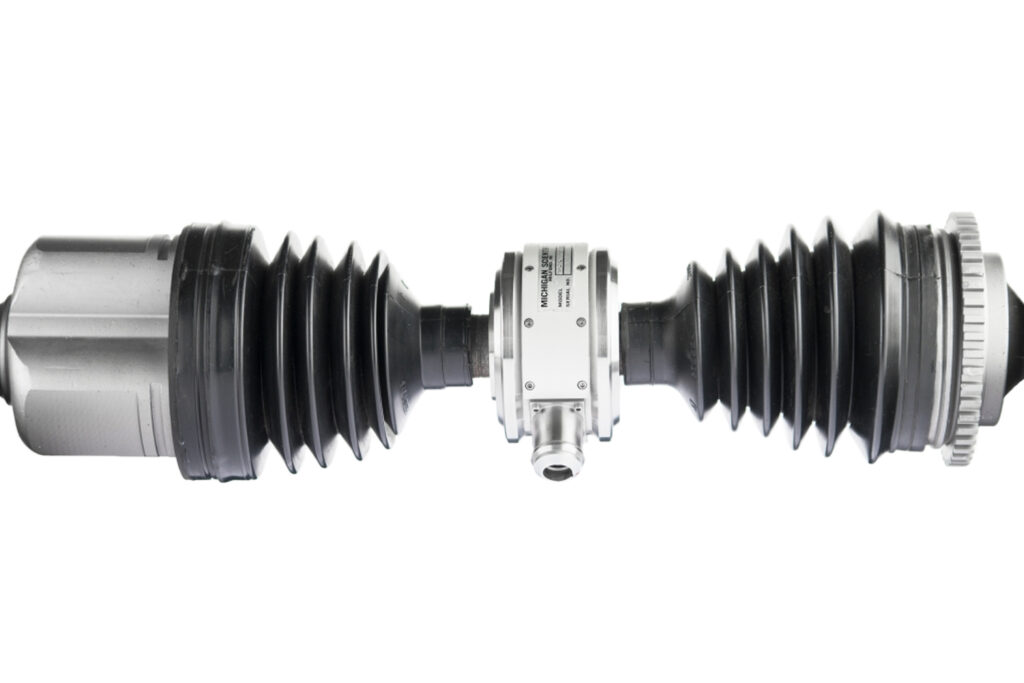
Half shaft and Solid Axle Transducers
Measures torque and speed on half shafts and solid axles, capturing drivetrain torque loads and angular rotation for accurate vehicle development data.
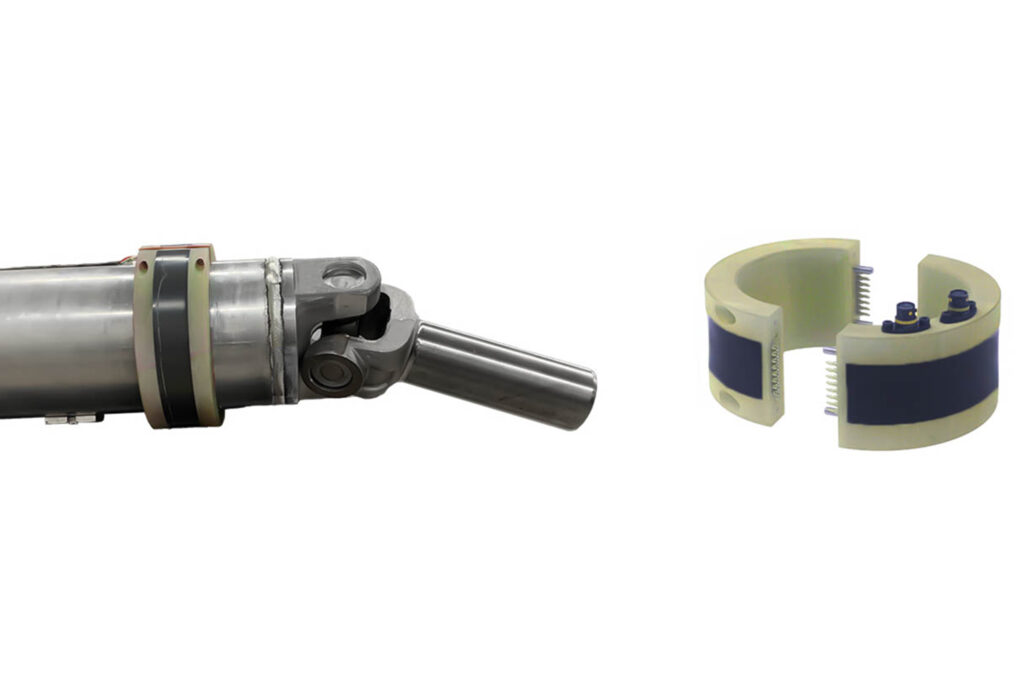
Drive Shaft Transducer
Strain gauged to measure drive shaft torque and thrust loads, enabling precise characterization of driveline forces using slip ring or telemetry output.
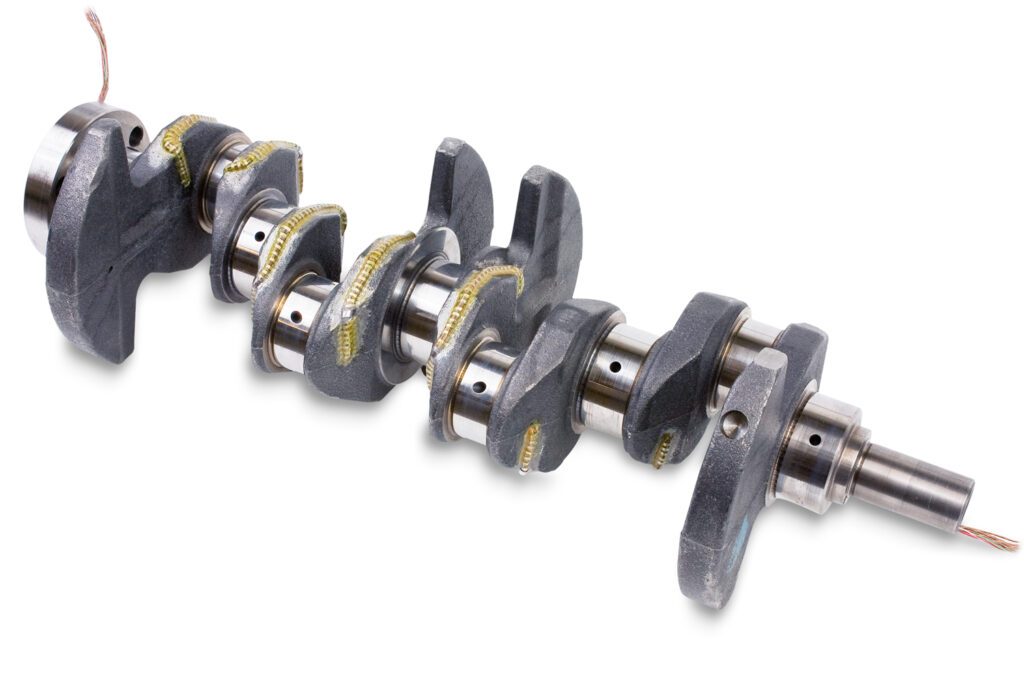
Engine Crankshaft Transducer
Captures crankshaft torque, bending, and strain to validate engine durability, component strength, and simulation accuracy under real operating conditions.
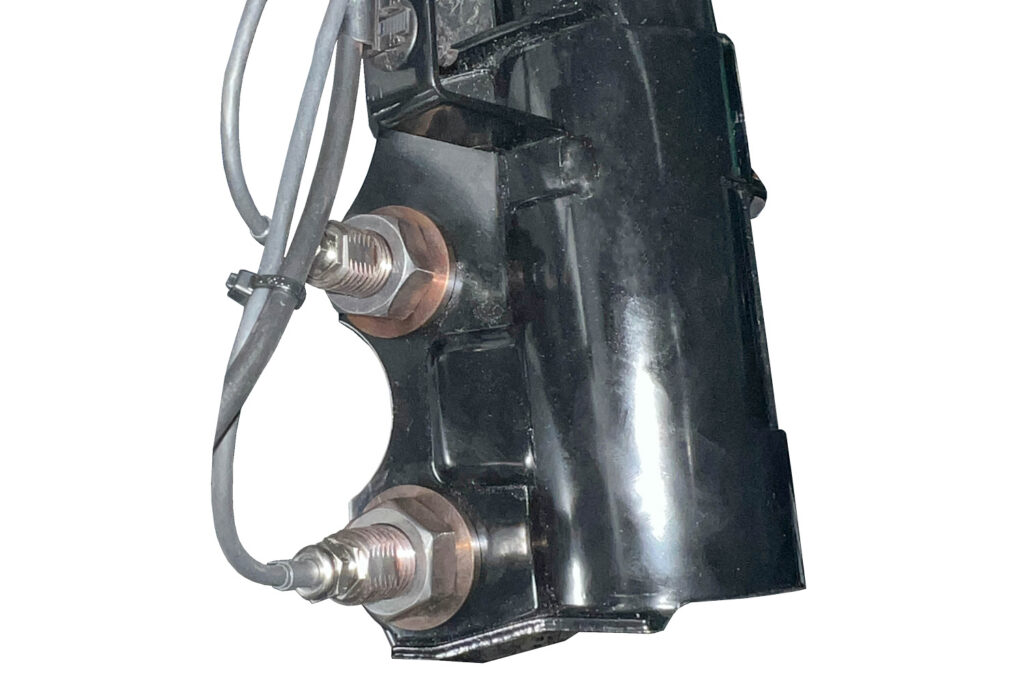
Double Shear Pins Strut Transducer
Replaces standard strut‑to‑knuckle bolts with engineered shear pins to measure suspension forces, providing direct insights into strut loading paths.
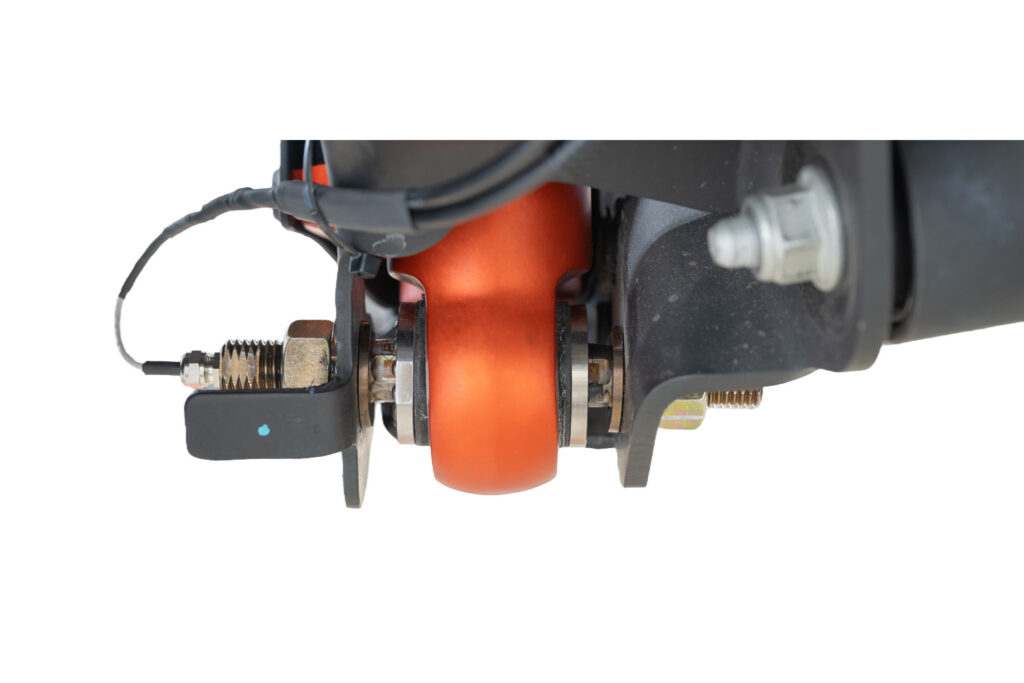
Shear Pin Strut Transducer
Measures perpendicular forces in bolted or pinned strut joints using instrumented shear pins, ideal for capturing localized suspension force inputs.
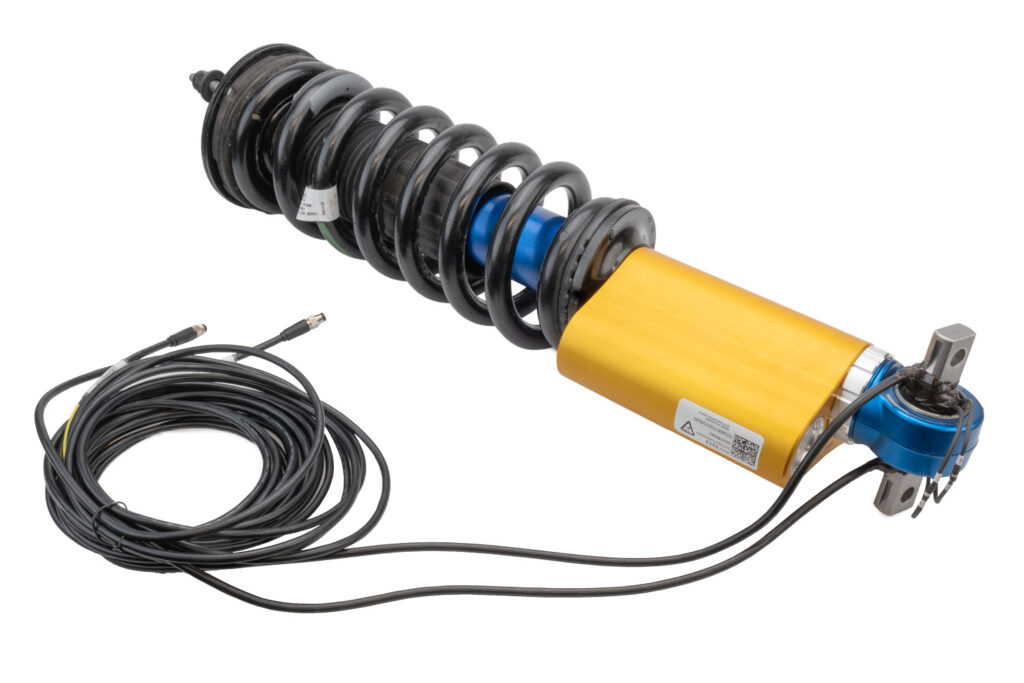
Crossbar Strut Transducer
In cases of a strut with a lower bolting crossbar, we can replace the crossbar with a one- or two-axis custom transducer to measure total force into the damper.
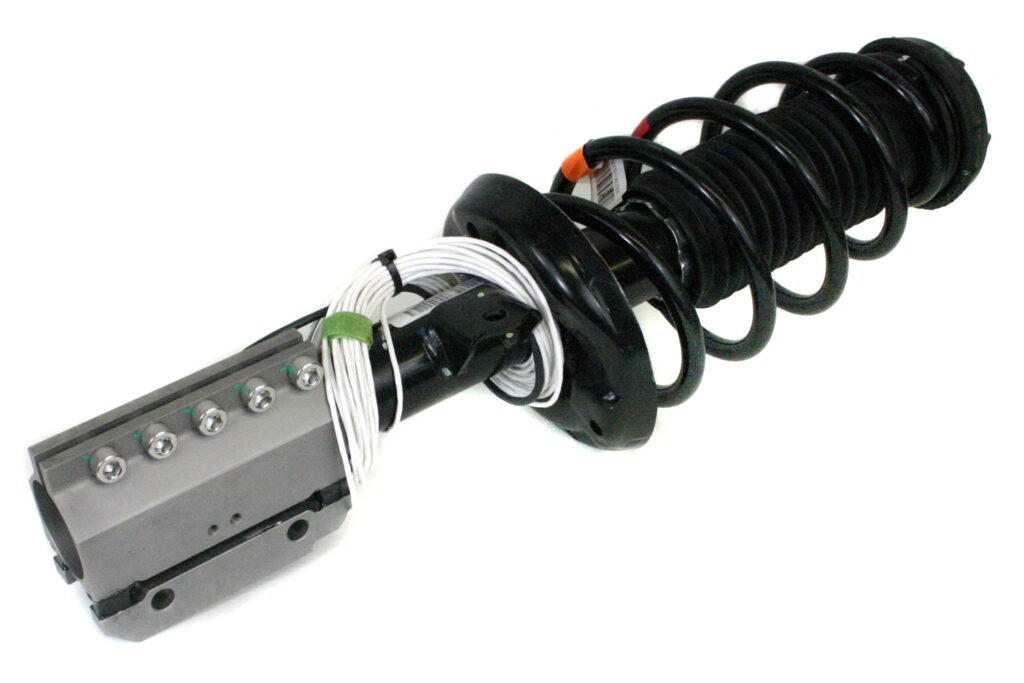
Strut Bracket Transducer
A semi-custom transducer that replaces the bottom bracket portion of the Macpherson strut and clamps onto the strut tube. Measure vertical force while maintaining geometry and load paths.
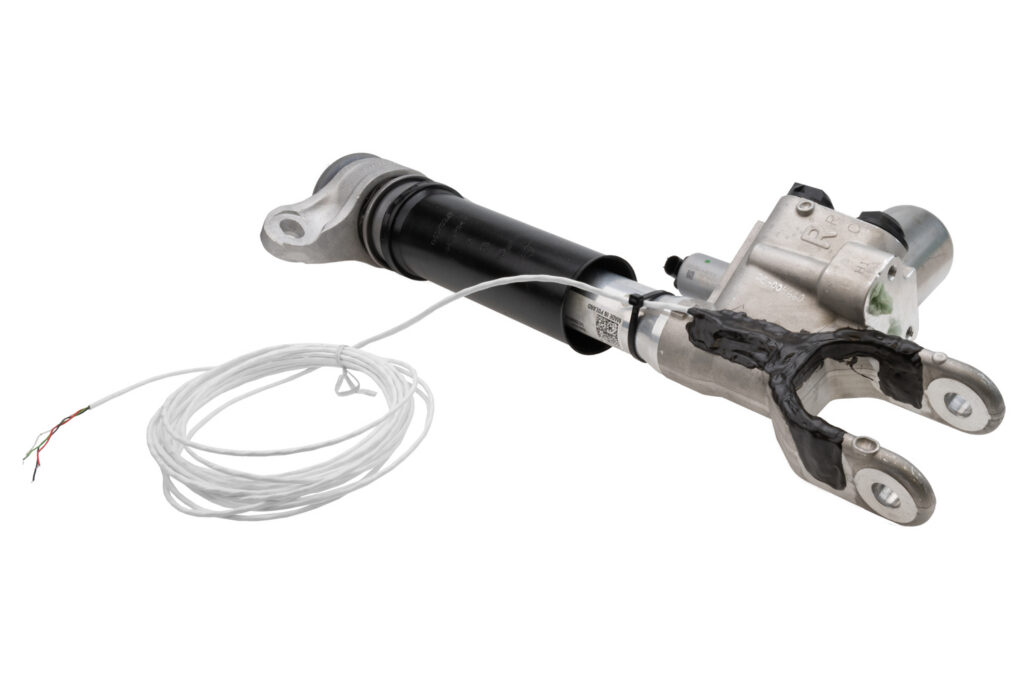
Damper Fork/Clevis Transducer
A damper with a lower fork or clevis can be gauged with accurate results and minimal modification.
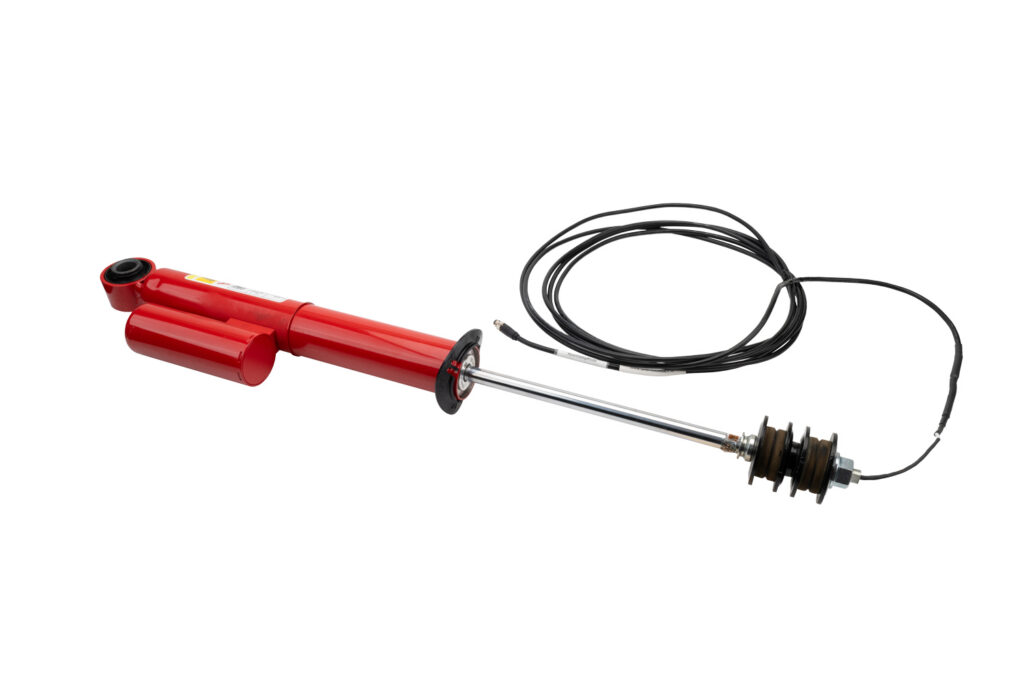
Damper Rod Transducer
Damper rods can be gauged to measure force specifically going through the damper rod. Some dampers allow the wire to exit through the shroud, while others require drilling of the end of the rod.
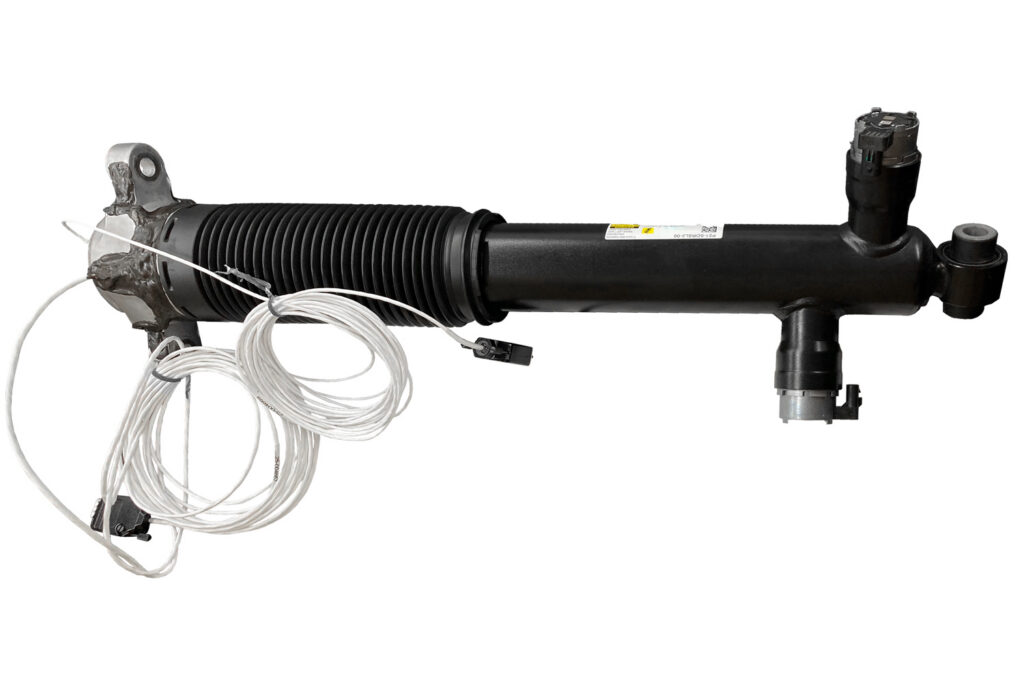
Damper Top Mount Transducer
If the geometry allows, we can modify and strain gauge the top of the damper mount or replace it with a transducer to measure force from damper to the chassis.
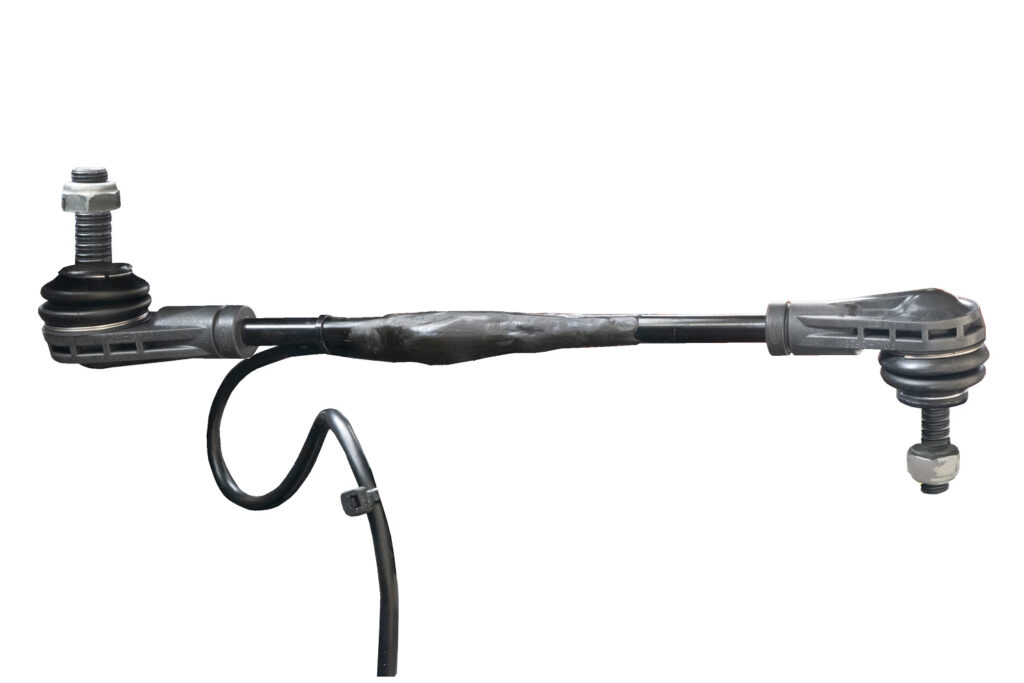
Sway Bar Link Transducer
The sway bar link is a commonly instrumented component. Boundary conditions during calibration match boundary conditions in the vehicle.
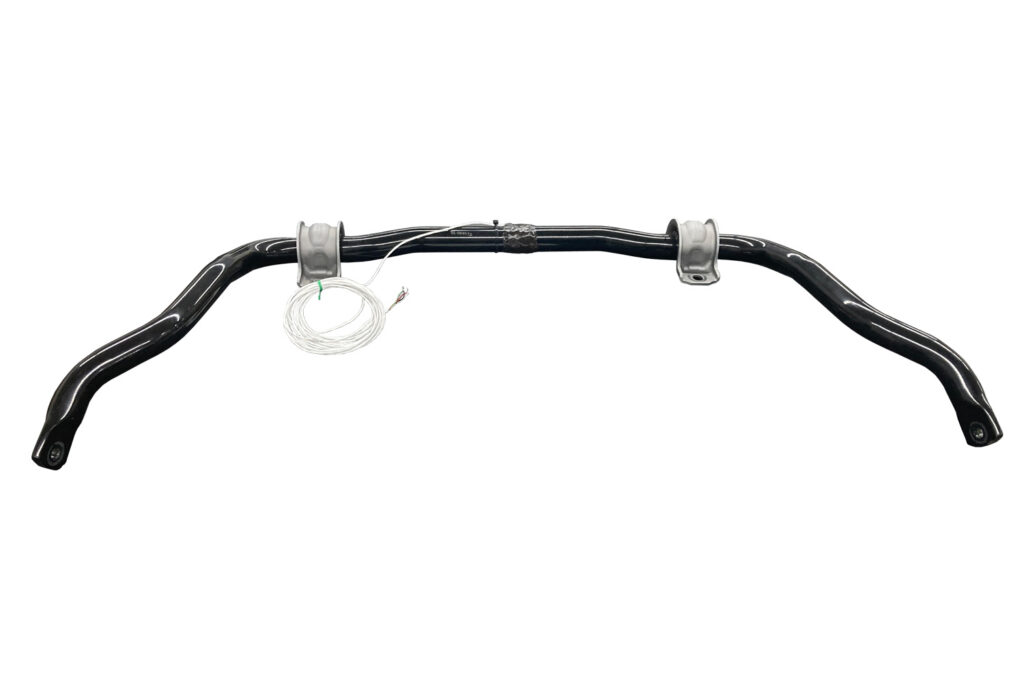
Sway Bar Transducer
Sway bars can be gauged and calibrated to enable measurement of torsional loads acting on the bar itself.
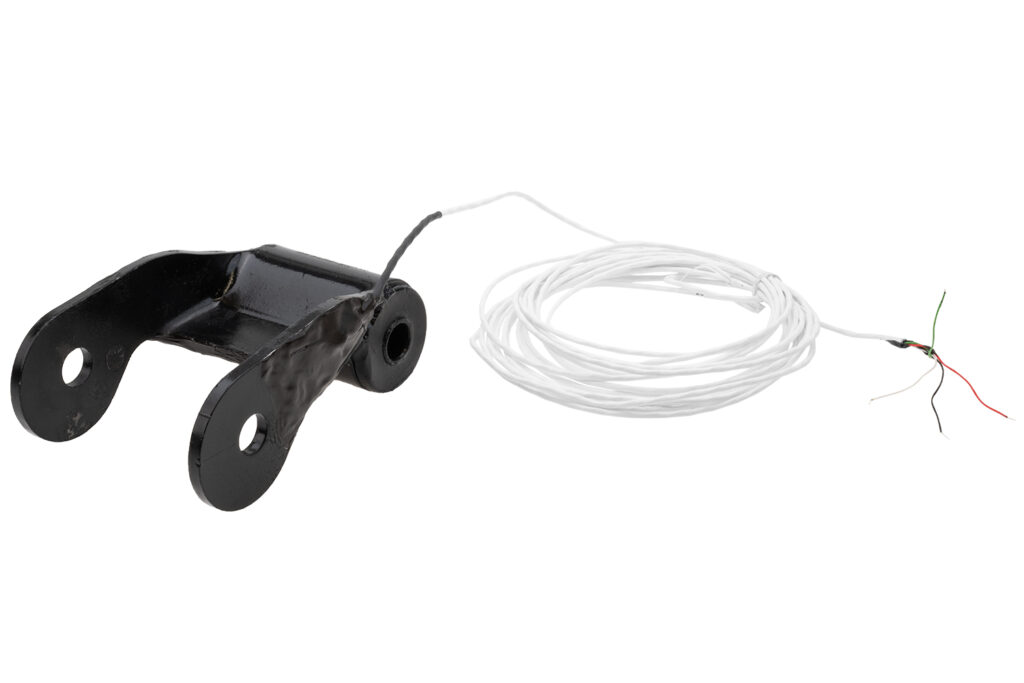
Shackle Transducer
Instrument the shackle to measure vertical force from the leaf spring into the chassis
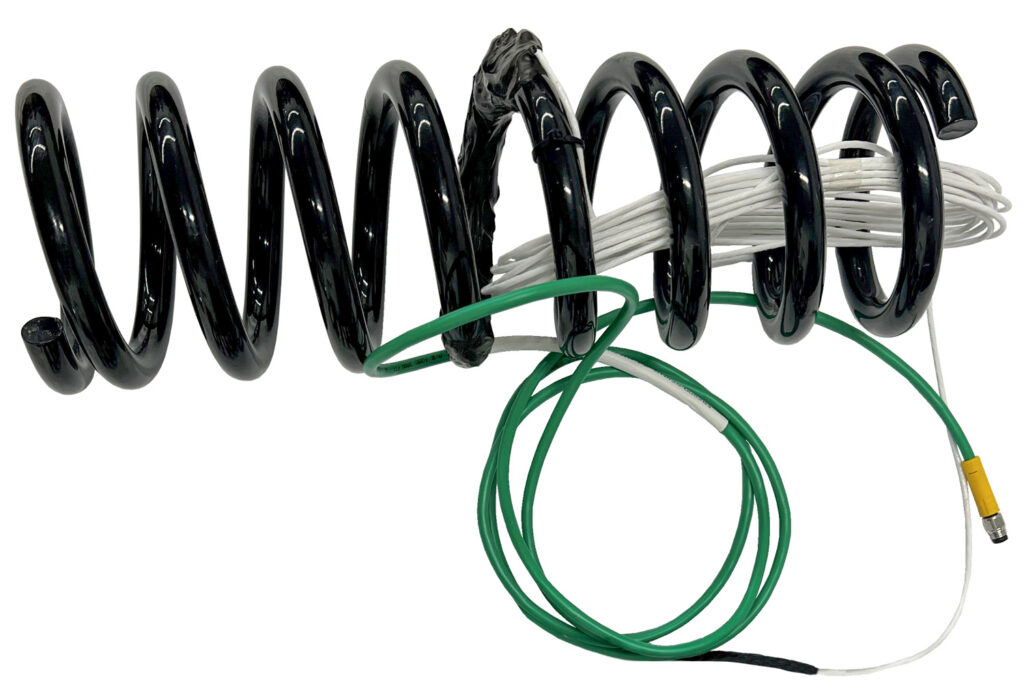
Coil Spring Transducer
Instrumented coil springs can capture vertical loads being transmitted through the suspension system, even under dynamic conditions.
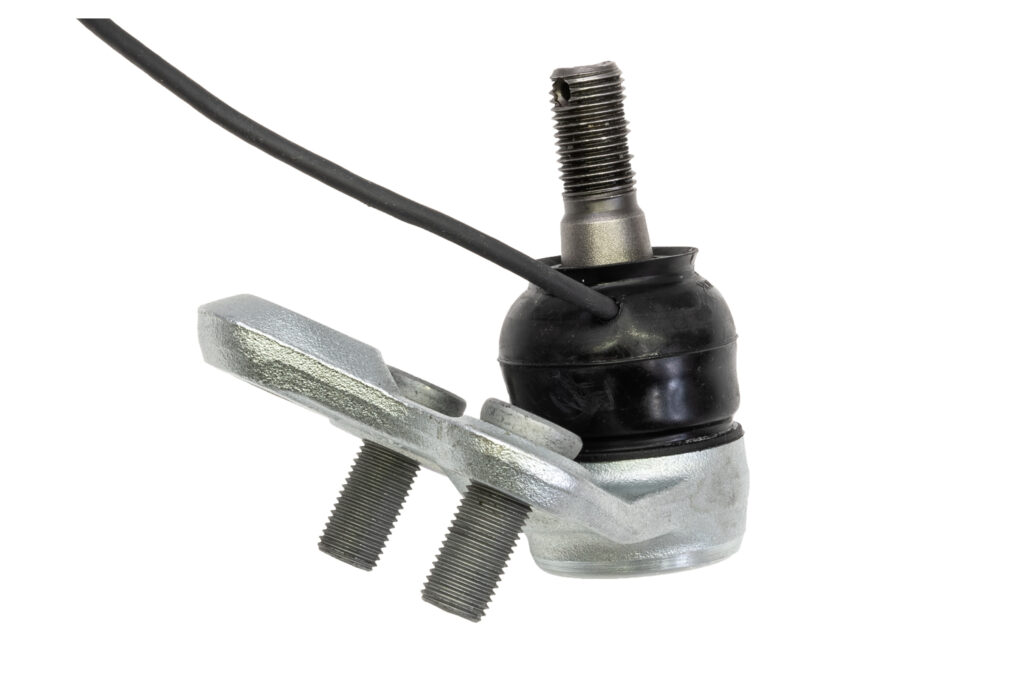
Ball Joint Transducer
Standard ball joints from vehicle suspension systems are strain gauged to measure orthogonal ball joint forces.
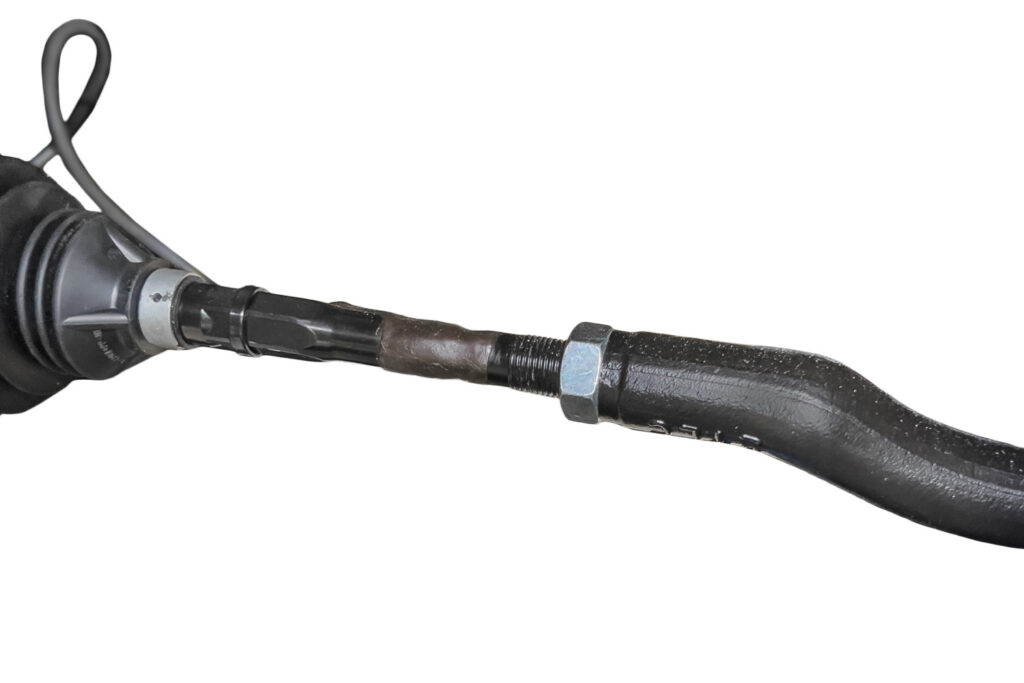
Inner Tie Rod Transducer
Inner tie rods measure steering forces. They typically have more linear characteristics than outer tie rods.
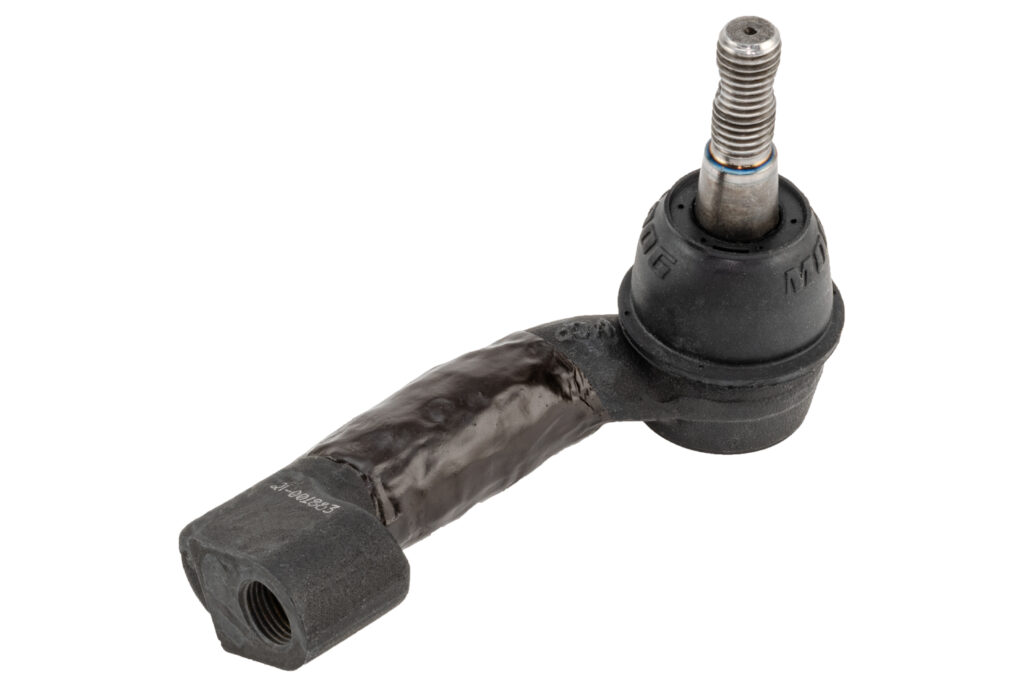
Tie Rod End Transducer
Custom tie rod end transducers for measuring the axial forces acting on the tie rod during steering.
For more information on custom suspension measurements, check out our Suspension Instrumentation Presentation!
Motorcycle
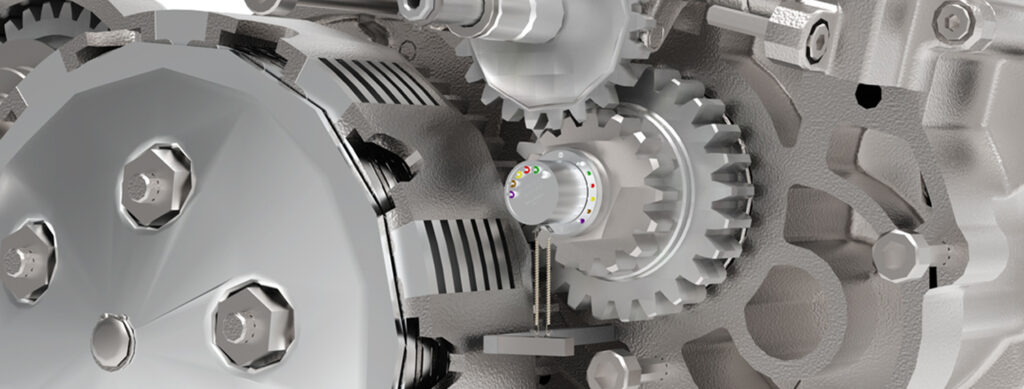
Primary Gear Transducer
Gauging the primary gear for torque allow engineers to quantify engine output and how it translates into drive force.
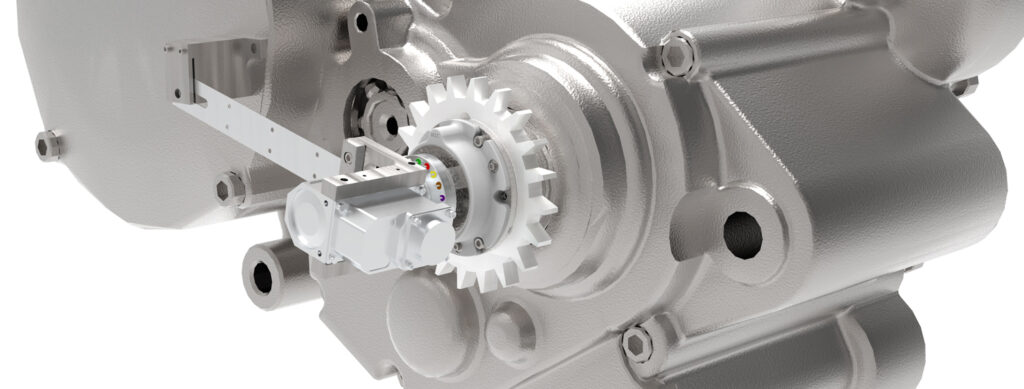
Output Sprocket Transducer
Instrumenting the output sprocket for torque provides insight into power transfer from the gearbox to the final drive system.

Rear Sprocket Transducer
Measure the torque as it’s transferred from the chain or belt to the rear sprocket for insight into the final stages of the power delivery.
Agriculture
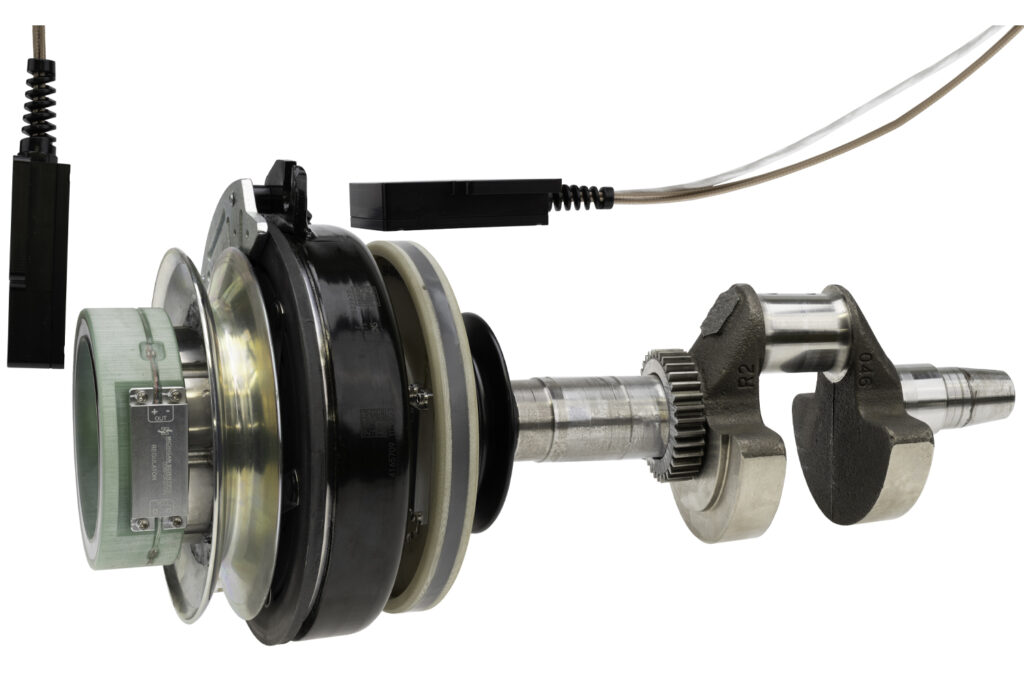
Pulley Clutch Transducer
Pulley Clutch torque data helps calculate losses and optimize clutch engagement and durability.
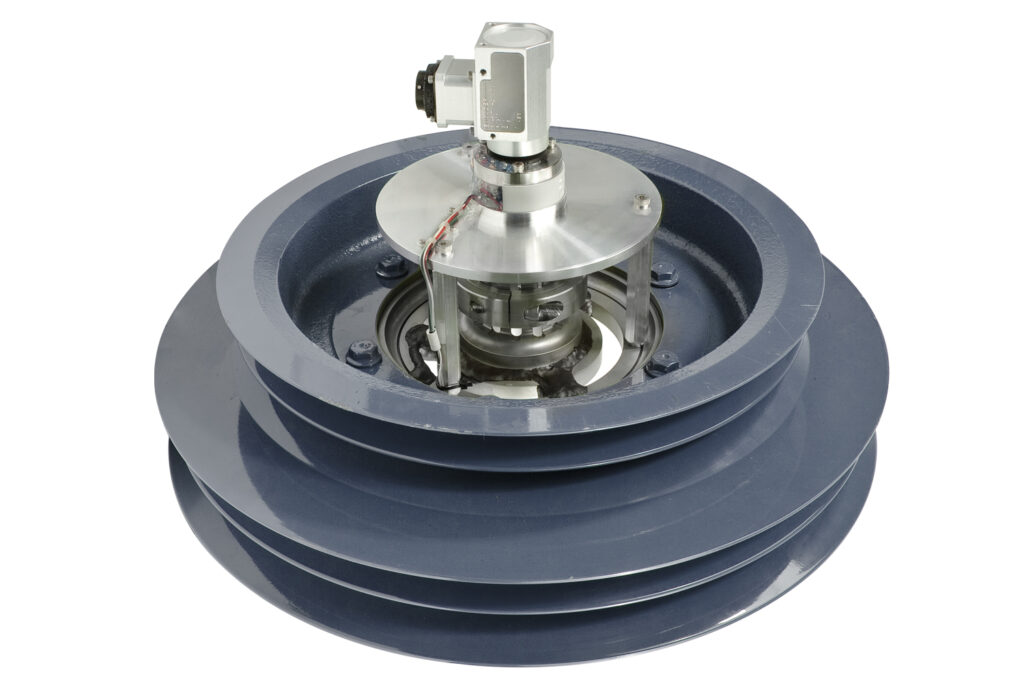
Gear Pulley Transducer
Instrument pulleys and gears, including the gear teeth, to test speed, torque, strain, and temperature they experience when in use.
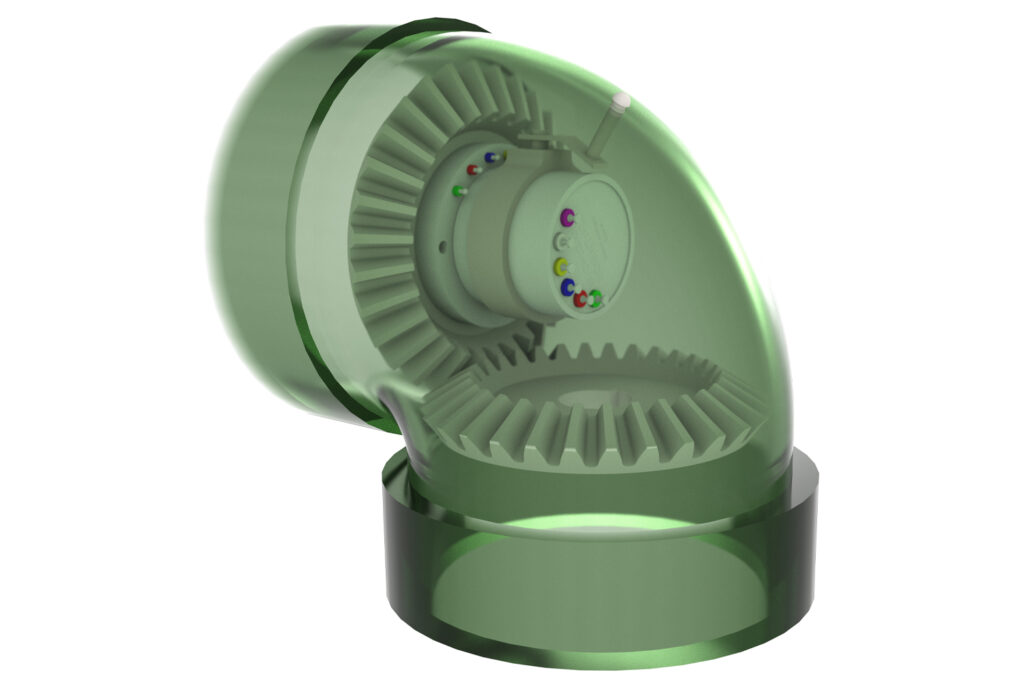
Elbow Gearbox Transducer
Test the speed, torque, and temperature of the elbow gearbox to see where improvements can be made for a more increased durability and efficiency
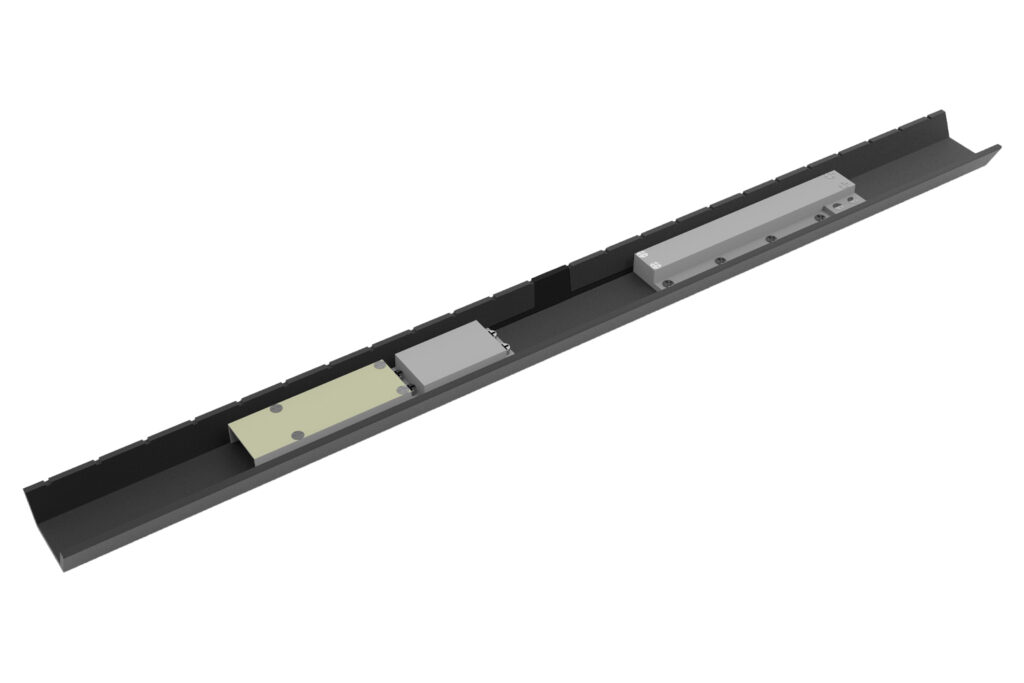
Feeder Slat Transducer
Instrumentation of a feeder slat to determine forces experienced during operation can provide insights into the efficiency of the system.
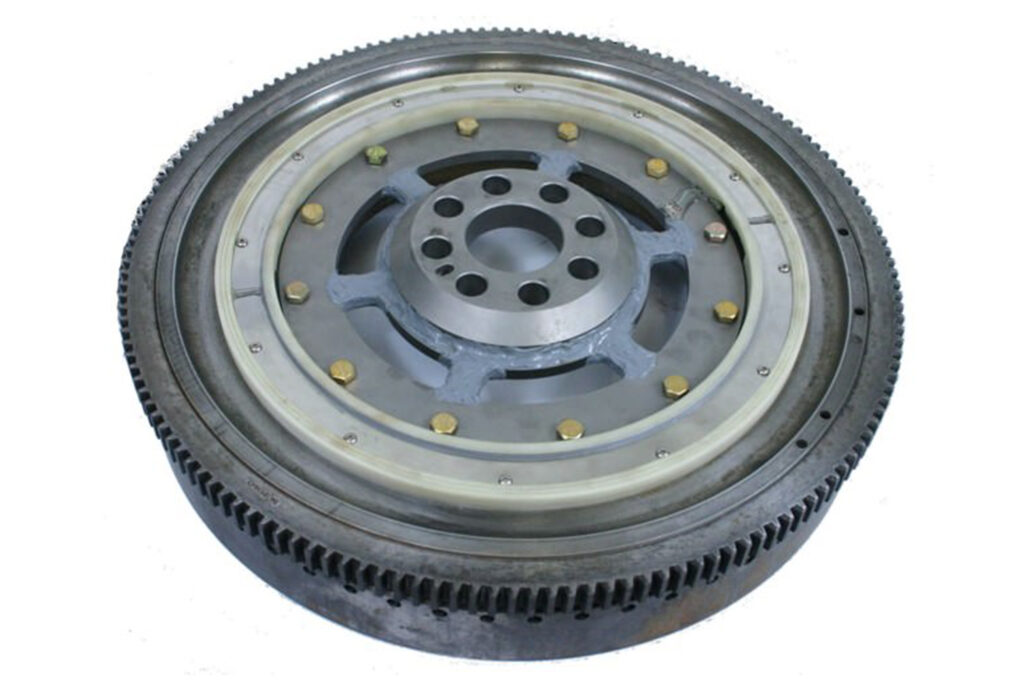
Flywheel Transducer
Flywheel torque measurements are often used for engine and transmission development in both
combustion and hybrid powered vehicles.